Track record
Ten years turning complex, high-stakes products into clear, trusted ones - across enterprise, regulated, and AI product work.
Selected work
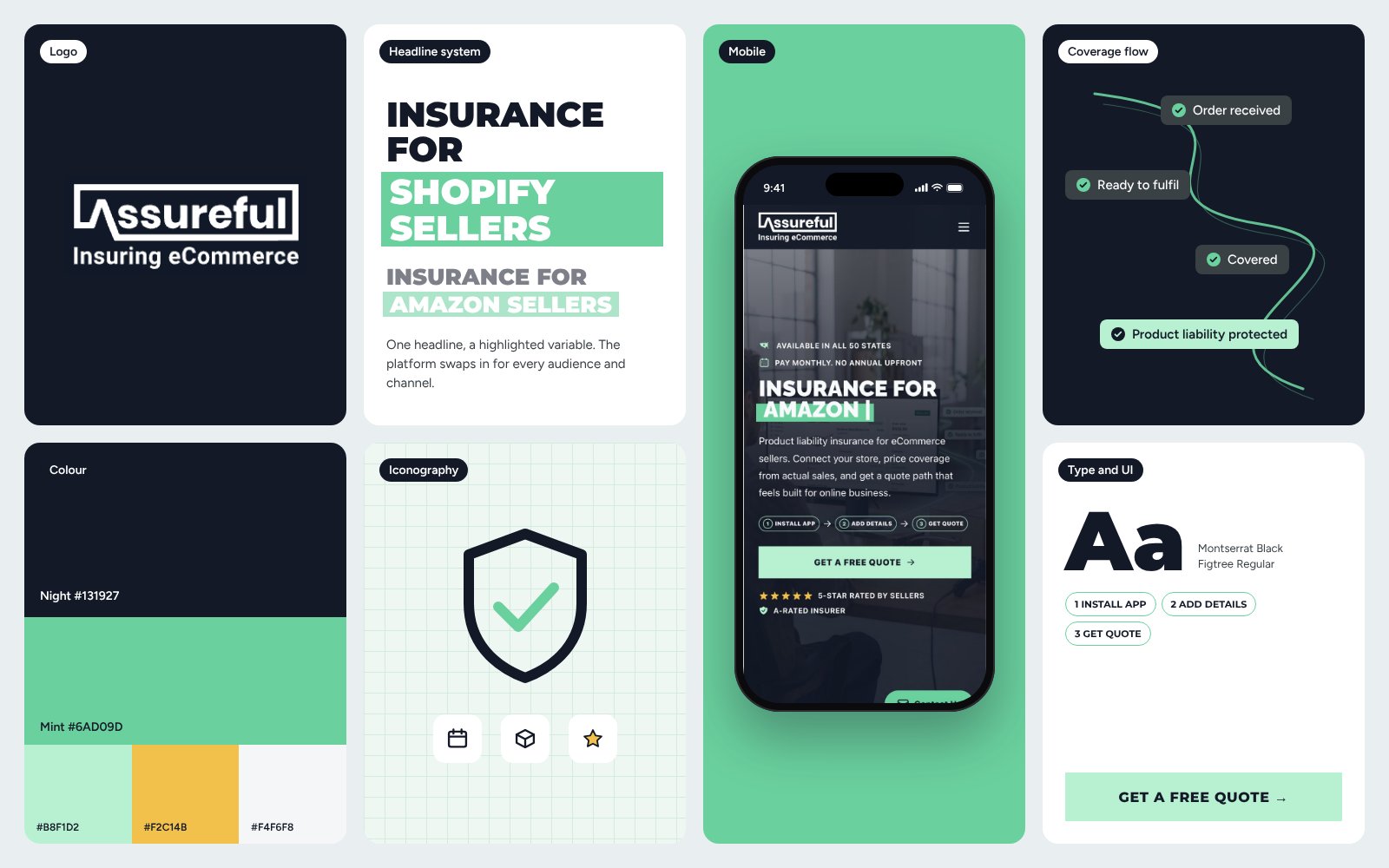
Turning a multi-role insurance platform into shared, role-aware infrastructure →
Underwriters, brokers, and customers on one shared data model - plus an AI-assisted design-to-build workflow that changed how the whole team shipped, not just what I drew.
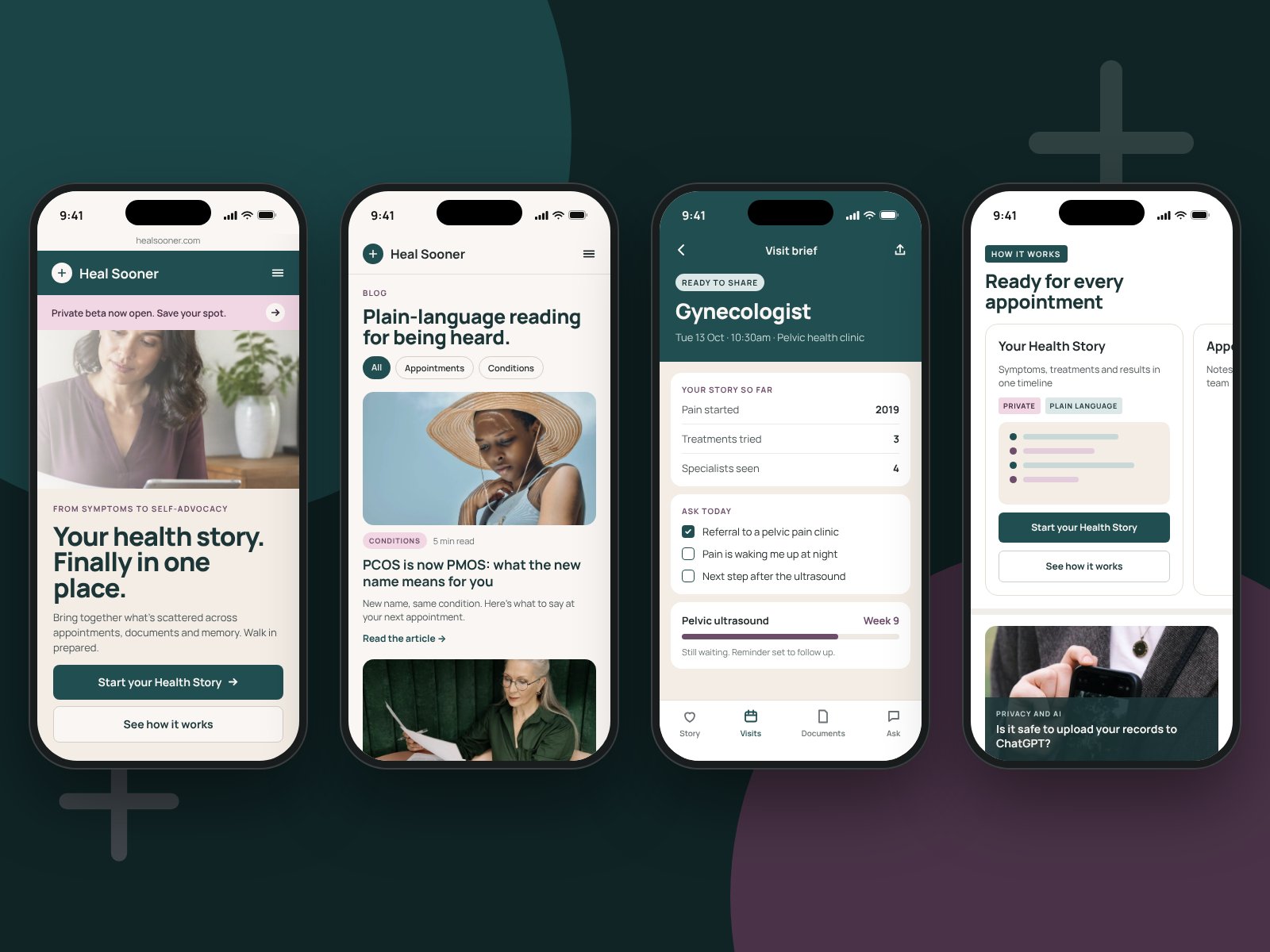
Designing trust into an AI-native health product →
One model inference, two opposite surfaces - clarity for patients, calibrated nuance for clinicians. A reusable posture system for how an AI product should behave when confidence and stakes vary.
Frame - an AI workspace that gives design teams leverage →
A concept for the shared foundation a design org actually needs: shared agents and skills, a research engine, and a place where cross-squad context composes into something coherent instead of scattering.
How I create leverage
-
I encode judgment into systems, not one-off artifacts.
The screen is the least durable thing a designer makes. I'm most interested in the layer underneath it - the shared data model, the component contract, the pattern, the decision rule - the part that keeps an experience coherent long after any single project ships. That's where a design decision compounds instead of evaporating.
-
I treat AI agents and skills as design material.
Model confidence, tool calls, evals, the line between agentic and deterministic behavior - these are first-class design variables, not engineering details handed back at the end. I also build with AI directly: Claude Code, Cursor, and MCP are part of my daily practice, and I use them to turn repetitive design and research work into shared, reusable leverage for a whole team.
-
I connect context across teams into something coherent.
Most design drift happens in the seams - where one squad's decisions quietly contradict another's. I'm drawn to that unglamorous connective-tissue work: aligning parallel efforts, setting standards people actually adopt, and making sure each team's foundations compose into a whole rather than a pile of parallel solutions.
-
I think in years, and act as a force-multiplier.
The most useful contribution at a senior level is rarely the artifact I made myself - it's raising the ceiling for everyone else. I hold the multi-year view of what a design org will need before it needs it, then partner closely with product and engineering leadership to build toward it, without needing the title in the room to have the influence.
What people say
"The automations she designs actually ship. She prototypes the real flow, edge cases and all, so almost nothing is lost between design and engineering."
DD
"To her, AI is design material, not a gimmick. She worked out when the model should act, hedge, or defer, and turned it into something our engineers could actually build against."
MB
"Our website went from cluttered to intuitive. She reorganized the content, tightened the user journeys, and optimized every page for conversion, and it performs far better now."
AF
Let's talk
If you're building something complex and want a designer who thinks in systems, ships alongside engineering, and treats AI as real design material, I'd like to hear about it. The easiest way in is a short exploratory call - no pitch, just a conversation about the problem you're working on.
Book an exploratory call →